
Table of Contents
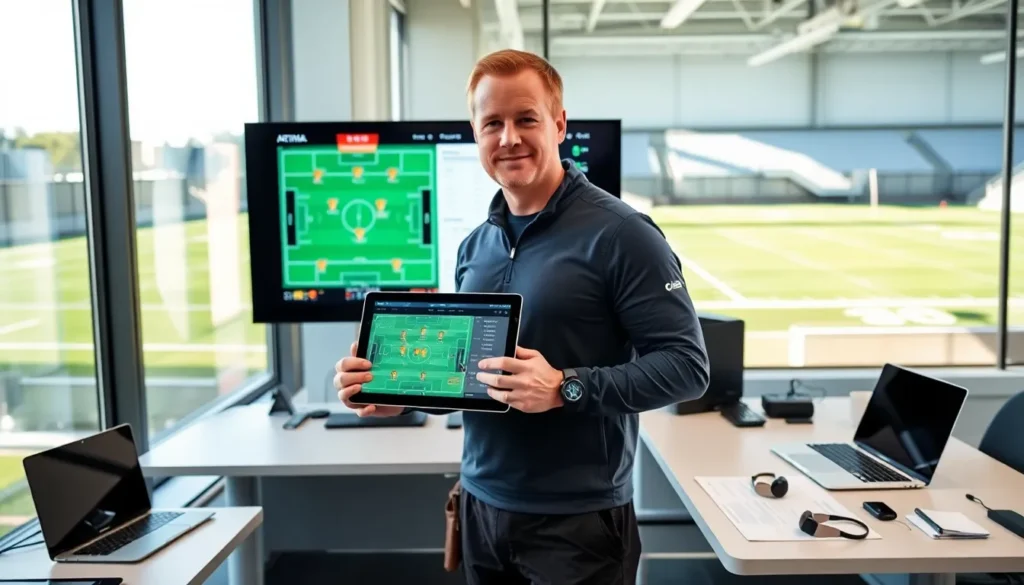
ToggleFootball manager tools have transformed how coaches prepare, analyze, and lead their teams. These software solutions handle everything from lineup planning to performance tracking, giving coaches more time to focus on what matters most, developing players and winning matches.
Whether managing a youth academy or a professional squad, the right football manager tools can streamline operations and sharpen decision-making. This guide breaks down what these tools offer, what features matter most, and how to pick the best option for any coaching situation.
Key Takeaways
- Football manager tools centralize team operations, replacing spreadsheets and scattered notes with efficient digital platforms.
- Essential features to prioritize include roster management, video analysis, training planning, and built-in communication systems.
- All-in-one platforms work best for youth and amateur teams, while professional clubs benefit from specialized video and performance analytics tools.
- Always define your team’s biggest pain points before selecting football manager tools to ensure the features match your actual needs.
- Free trials and peer recommendations help coaches evaluate ease of use and real-world performance before committing to a subscription.
What Are Football Manager Tools?
Football manager tools are software applications designed to help coaches organize, analyze, and optimize their team operations. They replace spreadsheets, paper notes, and scattered communication with centralized digital platforms.
At their core, these tools serve several purposes:
- Team management: Track rosters, player availability, and contact information in one place.
- Match analysis: Review game footage, identify patterns, and spot areas for improvement.
- Training planning: Build session plans, monitor workloads, and adjust programs based on player data.
- Communication: Send updates, share schedules, and coordinate with players, staff, and parents.
Football manager tools range from simple scheduling apps to comprehensive platforms that integrate video analysis, statistical tracking, and tactical boards. Some focus on a single function, while others bundle multiple features into one package.
The adoption of football manager tools has grown rapidly at all levels. Professional clubs use enterprise-grade systems with advanced analytics. Amateur and youth teams often rely on more accessible options that cover the basics without overwhelming users.
These tools work because they save time and reduce errors. A coach using football manager tools can pull up a player’s injury history in seconds, share a training schedule with one click, or review opponent tendencies before a match. That efficiency adds up over a season.
Key Features to Look For
Not all football manager tools offer the same capabilities. Some features matter more than others depending on the team’s needs, budget, and technical comfort level.
Player and Roster Management
A solid football manager tool should make roster management easy. Look for features like player profiles, attendance tracking, and availability calendars. The best options let coaches store medical records, track playing time, and monitor development progress.
Tactical and Match Analysis
Video analysis capabilities separate basic tools from advanced ones. Coaches should be able to upload match footage, tag key moments, and create clips for team reviews. Drawing tools for tactical diagrams help illustrate plays and formations.
Some football manager tools integrate with external data providers, pulling in match statistics automatically. This saves manual entry and ensures accuracy.
Training Session Planning
Planning training sessions takes time. Good tools offer drill libraries, session templates, and the ability to track what the team has worked on. Integration with physical monitoring, like GPS data or heart rate tracking, adds another layer of insight.
Communication Features
Coaches need to reach players and staff quickly. Built-in messaging, calendar sharing, and notification systems keep everyone aligned. Some football manager tools include parent communication features, which matters for youth programs.
Reporting and Analytics
Data means little without clear presentation. Look for tools that generate reports on player performance, team trends, and season progress. Visual dashboards make it easier to spot patterns and share findings with stakeholders.
Top Types of Football Manager Software
Football manager tools fall into several categories based on their primary function. Understanding these types helps coaches narrow down their options.
All-in-One Platforms
These tools combine multiple functions, roster management, communication, scheduling, and basic analytics, into a single platform. They work well for teams that want one solution instead of juggling several apps. Examples include platforms like TeamSnap, SportsEngine, and Heja.
All-in-one football manager tools suit youth and amateur teams that need organization without complexity.
Video Analysis Software
Dedicated video tools focus on match and training analysis. Coaches can break down footage, annotate plays, and share clips with players. Options like Hudl, Dartfish, and Nacsport dominate this space.
Professional and semi-professional teams often prioritize video analysis tools because they directly impact tactical preparation.
Performance and Data Analytics Platforms
These football manager tools specialize in tracking physical and statistical performance. They integrate with GPS vests, heart rate monitors, and other wearables. Catapult, STATSports, and Playermaker lead this category.
Data-heavy tools require more investment, both financially and in learning to interpret the output. But for teams serious about performance optimization, they deliver valuable insights.
Tactical Planning Tools
Some software focuses specifically on tactics. Digital boards, formation builders, and play animation features help coaches design and communicate strategies. Tools like Tactical Pad and TacticalAnalyst fit this niche.
Coaches often use tactical planning tools alongside other football manager tools rather than as standalone solutions.
How to Choose the Right Tool for Your Team
Selecting football manager tools requires honest assessment of team needs, budget, and technical ability.
Define Your Priorities
Start by listing the biggest pain points. Does the team struggle with communication? Is tactical analysis lacking? Are training sessions disorganized? The answers guide which features matter most.
A youth team might prioritize scheduling and parent communication. A competitive club might need advanced video analysis and performance tracking.
Consider Your Budget
Football manager tools range from free to thousands of dollars per year. Free options cover basics but often lack depth. Mid-tier tools offer good value for most amateur and semi-professional teams. Enterprise solutions serve professional organizations with larger budgets.
Factor in hidden costs like training time, hardware requirements, and subscription renewals.
Evaluate Ease of Use
A powerful tool means nothing if the coaching staff won’t use it. Look for intuitive interfaces, mobile apps, and quality customer support. Many football manager tools offer free trials, take advantage of them before committing.
Check Integration Options
Teams already using certain platforms should check compatibility. Can the new tool import existing data? Does it connect with video equipment or wearables already in use? Smooth integration prevents duplicate work and data silos.
Read Reviews and Ask Peers
Other coaches provide the best feedback. Online reviews, coaching forums, and direct conversations reveal real-world strengths and weaknesses that marketing materials won’t mention.


